Tiếng Việt
 日本語
日本語 한국어
한국어
In the field of precision machining, unexpected cutting tool failure is one of the most serious technical risks, often leading to significant losses. The phenomenon of end mill breakage not only increases tooling costs but also causes machine downtime, workpiece damage, and disruptions to production schedules. This article by SDE Tech provides a detailed analysis of the core factors that prevent cutting tools from achieving their expected performance.
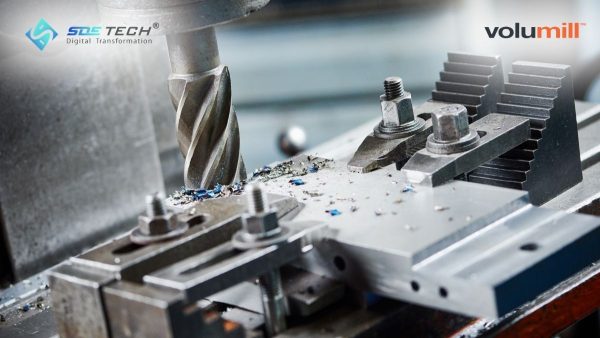
1. Analysis of the Main Causes of Rapid End Mill Breakage
Every tool failure carries a specific technical signal. Identifying the correct root cause is the first and most important step in re-establishing a stable and reliable machining process.
1.1 Incorrect tool selection for workpiece material
One of the most common mistakes occurs at the tool selection stage. In industries such as electronics manufacturing, workpieces like circuit boards or housing components are often made from materials with very different properties, such as aluminum alloys, copper, or engineering plastics. If a cutting tool with an unsuitable coating or incorrect rake angle is used for the material hardness, friction increases significantly. This mismatch leads to accelerated chemical and mechanical wear. As a result, the end mill breaks prematurely because it cannot withstand the accumulated stress during the cutting process.
1.2 Unoptimized CNC cutting parameters
Machining parameters—including spindle speed, feed rate, and depth of cut—are the “heart” of the machining process. When CNC cutting conditions exceed the strength limits of the tool material, or conversely when the feed rate is too low causing rubbing instead of cutting, excessive heat is generated. This thermal and mechanical imbalance weakens the tool structure. The lack of equilibrium between cutting force and tool load capacity is a direct cause of sudden tool fracture during operation.
1.3 Machine rigidity and workholding instability
Vibration is one of the most destructive factors in machining. If the workholding system lacks rigidity or if tool holder runout is not properly controlled, cutting forces will not be distributed evenly across the cutting edges. This unstable load leads to micro fatigue cracks over time, causing the end mill to break unexpectedly, even under relatively light machining conditions.
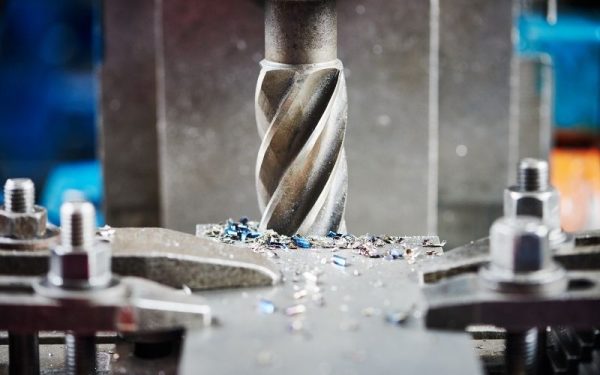
2. Effects of Temperature and Cooling Systems in Machining
The heat generated during cutting, if not dissipated properly, can significantly alter the mechanical and physical properties of the cutting tool.
2.1 Thermal shock on the cutting edge
In high-speed machining, intermittent or inconsistent coolant supply is a critical mistake. Sudden temperature differences between the hot cutting zone and the cold coolant create thermal shock, which leads to micro-cracks on the cutting edge. To minimize tool breakage, the coolant flow must be continuous and directly targeted at the cutting zone. It is also important to prevent the formation of a vapor barrier that can block effective heat dissipation and reduce cooling efficiency.
2.2 Poor chip evacuation causing tool jamming
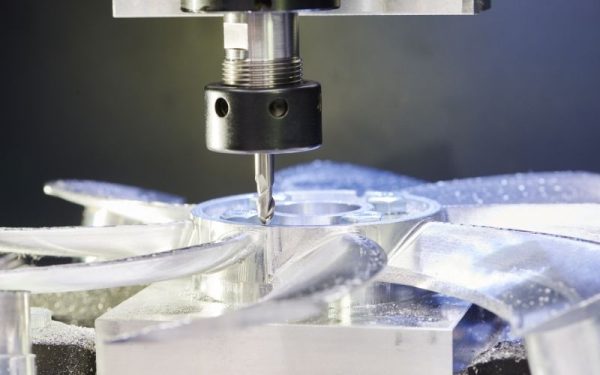
Chip evacuation plays a key role in heat removal. Chips act as the primary carrier of heat out of the cutting zone. However, if the toolpath design does not support efficient chip removal, chips may be re-cut between the tool and the workpiece surface. This “chip re-cutting” phenomenon generates sudden force spikes and localized heat buildup. It is a major cause of end mill breakage, especially during slot milling or deep cavity machining operations.
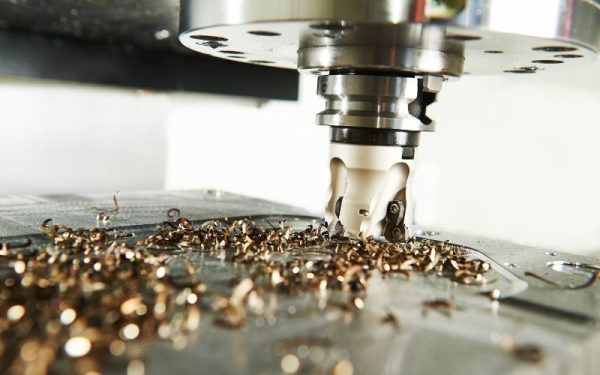
3. The Role of CAM Technology in Protecting Cutting Tools
The transition from traditional machining methods to data-driven manufacturing is a key factor in controlling machining risks.
3.1 Toolpath optimization to control cutting forces
Conventional toolpaths often create issues at sharp corners, where the tool engagement angle increases suddenly, causing a spike in cutting forces. Modern toolpath optimization algorithms help maintain a consistent load throughout the entire cutting process. This not only protects the cutting edge from overload but also ensures smoother machine operation, eliminating failures caused by sudden cornering stress.
3.2 VoluMill software and practical efficiency
SDE Tech recommends the use of VoluMill, one of the most advanced High-Speed Machining (HSM) solutions available today. VoluMill generates smooth, constant-engagement toolpaths that avoid abrupt directional changes and maintain optimal cutting conditions throughout machining. Practical implementation has shown that this solution can increase tool life by 2 to 5 times, while significantly reducing the risk of unexpected tool breakage during production.
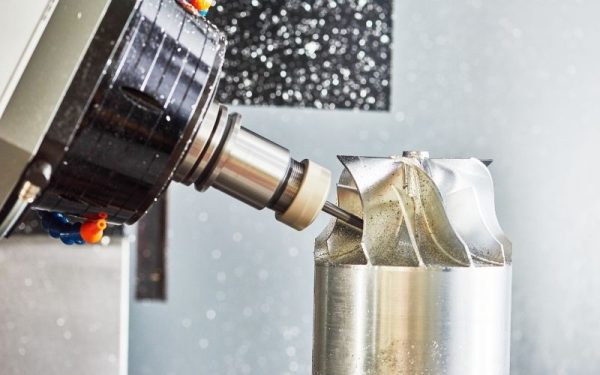
4. Technical Guidelines to Extend Tool Life and Reduce End Mill Breakage
A professional machining process requires meticulous attention at every preparation stage to achieve optimal performance and stability.
4.1 Controlling runout and system vibration
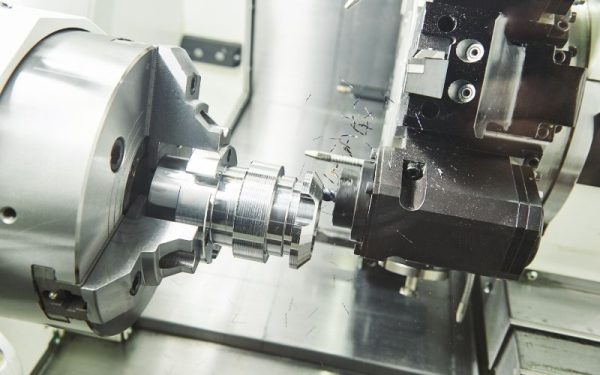
Using high-precision tool holding systems such as hydraulic chucks or shrink-fit holders helps ensure excellent concentricity. When the tool rotates around an almost perfect center axis, cutting forces are evenly distributed across all flutes. This prevents any single cutting edge from being overloaded, which is a common cause of rapid end mill breakage.
4.2 Tool coating and geometry selection strategy
Different coatings such as TiAlN, AlTiN, or DLC have distinct thermal resistance and friction properties. Selecting the correct combination of coating and tool geometry—such as helix angle and flute count—helps optimize both load capacity and heat dissipation. This is a critical factor in maintaining tool stability in demanding machining environments.
5. Practical Experience in Cutting Tool Management
With many years of experience supporting electronics manufacturing enterprises, SDE Tech has accumulated valuable insights into effective cutting tool management.
5.1 Tool Life Management (TLM)
Do not wait until a tool breaks before replacing it. Establishing a tool life management system based on actual cutting time or part count is a smarter risk-control strategy. Proactive tool replacement helps protect workpieces and prevents potential damage to the CNC spindle that may occur during unexpected tool breakage incidents. This approach significantly improves production stability and reduces costly downtime.
5.2 Customized solutions for each factory
SDE Tech believes there is no universal machining formula that fits every workshop. Each production environment requires a tailored approach. We conduct detailed assessments of machines, materials, and technical requirements to develop the most optimized CNC cutting parameters for each specific case. The combination of deep engineering expertise and advanced supporting tools is the only effective way to eliminate the problem of rapid end mill breakage in a sustainable manner.
6. Frequently Asked Questions About Rapid End Mill Breakage
Below are common questions frequently raised by engineers and workshop owners that SDE Tech regularly helps resolve.
6.1 I reduced the feed rate, but the tool still breaks quickly. Why?
Reducing feed rate excessively can sometimes have the opposite effect. When the feed per tooth is too low compared to the tool’s cutting edge capability, the tool tends to “rub” instead of cutting. This generates excessive friction and heat, which can harden the workpiece surface and accelerate tool wear, eventually leading to thermal-related breakage. You should review the Feed per Tooth (Fz) to ensure the tool is actually cutting rather than sliding over the material.
6.2 How can I know if my current toolpath is safe for the tool?
The most effective method is to use simulation and cutting force control software such as VoluMill. These tools analyze cutting force throughout the entire machining process. If sharp force peaks (spikes) appear in the force graph, those points indicate a high risk of end mill breakage.
6.3 What is the acceptable runout limit to avoid tool damage?
For small-diameter end mills (below 6mm), the ideal runout should be under 0.005mm. If runout exceeds 0.01mm, tool life can be reduced by up to 50%. Investing in high-quality tool holders is one of the most cost-effective ways to protect expensive cutting tools. The issue of rapid end mill breakage is not just a technical defect—it is a matter of production cost optimization and manufacturing efficiency.
Through analysis of tool selection, CNC cutting parameters, and the application of advanced CAM technologies such as VoluMill, it becomes clear that the solution lies in combining engineering expertise with modern digital tools. Contact SDE Tech today to receive detailed technical consultation tailored to your machining process!
- Email: sales@sde.vn
- Hotline/Zalo: 085 256 2615 – 0909 107 719