Tiếng Việt
 日本語
日本語 한국어
한국어
Overheating during machining not only causes geometric distortion of the workpiece but is also a leading factor in sudden cutting tool failure. Effective thermal control requires a well-integrated approach that combines material science expertise, optimized cutting parameters, and advanced software-driven optimization strategies. This article provides an in-depth analysis of the root causes of heat generation and introduces the most advanced cooling and heat reduction techniques available in modern manufacturing.
1. Causes of Overheating in CNC Machining
When machining parameters are not tightly controlled, overheating becomes an inevitable consequence. Below are the main groups of factors that lead to abnormal heat buildup during CNC machining:
1.1 Friction Between the Tool and Workpiece
Friction is the primary source of heat generation in the cutting zone. As the cutting edge engages the workpiece, intense friction occurs at both the rake face and flank face of the tool. If lubrication is insufficient or the cutting tool surface has high roughness, friction is converted into concentrated thermal energy at the tool tip, leading to overheating. This effect becomes even more pronounced when machining hard materials or ductile, adhesive materials such as aluminum and copper, where friction-induced heat can increase significantly.
1.2 Improper Cutting Parameters
Incorrect selection of cutting speed and feed rate—without proper engineering calculation—is a common cause of overheating. If the cutting speed exceeds the thermal limits of the tool material, the temperature in the cutting zone can rise beyond acceptable thresholds in a very short time. Conversely, if the feed rate is too low relative to the sharpness of the cutting edge, the tool transitions from cutting to rubbing. This results in excessive heat generation due to continuous friction, rather than efficient heat dissipation through chip removal.
1.3 Suboptimal Toolpath Strategy
The toolpath strategy determines how the cutting tool interacts with the workpiece. Conventional toolpaths often create abrupt directional changes or uncontrolled variations in stepover. At corners, the tool experiences sudden overload due to increased engagement area, leading to localized heat accumulation. This is one of the key reasons why overheating frequently occurs in pockets or complex geometries when using traditional toolpath approaches in Computer-Aided Manufacturing (CAM) systems.
1.4 Material Properties
Difficult-to-machine materials such as titanium, Inconel, and stainless steel have very low thermal conductivity. Instead of heat being carried away by chips, a large portion of thermal energy remains concentrated at the cutting edge and within the workpiece. Without specialized cooling strategies and optimized machining approaches for these materials, overheating is unavoidable—often resulting in tool burning, rapid wear, or work hardening on the machined surface.
2. Effective Heat Reduction Through Advanced Technologies
After identifying the root causes, manufacturers need to implement comprehensive technical solutions to minimize heat generation. At SDE TECH, we believe that combining advanced software technologies with optimized machining processes is the most sustainable approach to controlling overheating in CNC machining. Below are in-depth solutions for effective heat reduction:
2.1 Applying VoluMill Toolpath Technology
One of the most advanced solutions for eliminating overheating during rough machining is the application of VoluMill technology. Unlike conventional milling methods, VoluMill generates toolpaths that maintain a constant chip load and consistent tool engagement angle.
This mechanism allows heat to be evenly distributed along the cutting edge and efficiently evacuated through chip removal. By maintaining consistent chip thickness, heat concentration at the tool tip is minimized, enabling higher cutting speeds without risking overheating. This is a core strategy for boosting productivity while protecting tooling assets.
2.2 Feed Rate Optimization with FeedControl
Fluctuations in tool load are a major cause of uncontrolled heat generation. The FeedControl solution analyzes G-code and automatically adjusts the feed rate in real time based on actual material engagement.
When the tool enters high-load regions or tight corners, MANUSsim Optimize proactively reduces the feed rate to prevent overheating due to tool overload. Conversely, in lighter cutting zones, the system increases feed rates to optimize cycle time. This adaptive control ensures that the cutting zone temperature remains within safe limits, significantly extending tool life and improving machining stability.
2.3 Selecting Proper Cutting Tools and Cooling Systems
In addition to software solutions, physical factors remain fundamental. Using cutting tools with heat-resistant coatings such as TiAlN or AlTiN enhances performance under high-temperature conditions and improves resistance to thermal wear.
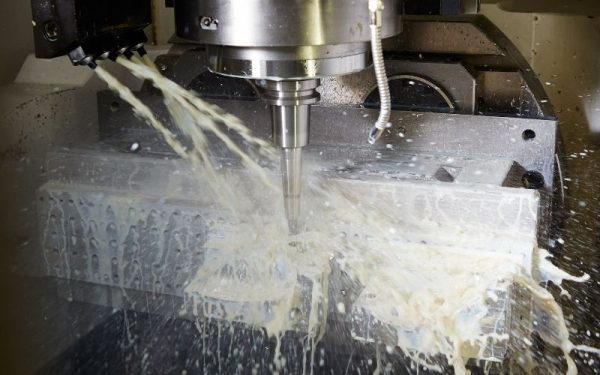
At the same time, high-pressure coolant systems should be designed to deliver coolant directly to the tool–workpiece interface. In high-speed machining applications, Minimum Quantity Lubrication (MQL) is also an effective approach to reduce thermal shock and prevent micro-cracking on carbide cutting edges.
3. Frequently Asked Questions About Overheating in CNC Machining (FAQ)
3.1 How can you detect tool overheating during machining?
Common indicators of overheating include discoloration of chips (blue or black chips when machining steel), unusual squealing noises, excessive smoke from the cutting zone, and burn marks on the machined surface. Modern CNC machining systems equipped with spindle load monitoring sensors can also provide early warnings of abnormal thermal conditions, enabling timely intervention.
3.2 Why can increasing feed rate sometimes help reduce heat?
When the feed rate is increased to an appropriate level, thicker chips are formed, which carry a significant portion of the generated heat away from the cutting zone. If the feed rate is too low, the tool tends to rub against the workpiece instead of cutting efficiently, resulting in excessive friction and heat buildup. This is a common cause of overheating in machining.
3.3 Can VoluMill be applied to all materials?
Yes. VoluMill is particularly effective for difficult-to-machine materials such as stainless steel, titanium, and Inconel. By controlling the tool engagement angle, it maintains thermal stability and significantly reduces the risk of tool failure.
Controlling temperature in machining is not just a skill—it is a comprehensive integration of both hardware and software. Overheating can be effectively managed and minimized when manufacturers understand friction mechanisms and apply the right toolpath optimization strategies within Computer-Aided Manufacturing environments.
Mastering thermal control means mastering both product quality and profitability. Contact the experts at SDE Tech today to receive in-depth consultation on the most effective machining optimization solutions for your factory.
- Email: sales@sde.vn
- Hotline/Zalo: 085 256 2615 – 0909 107 719