Tiếng Việt
 日本語
日本語 한국어
한국어
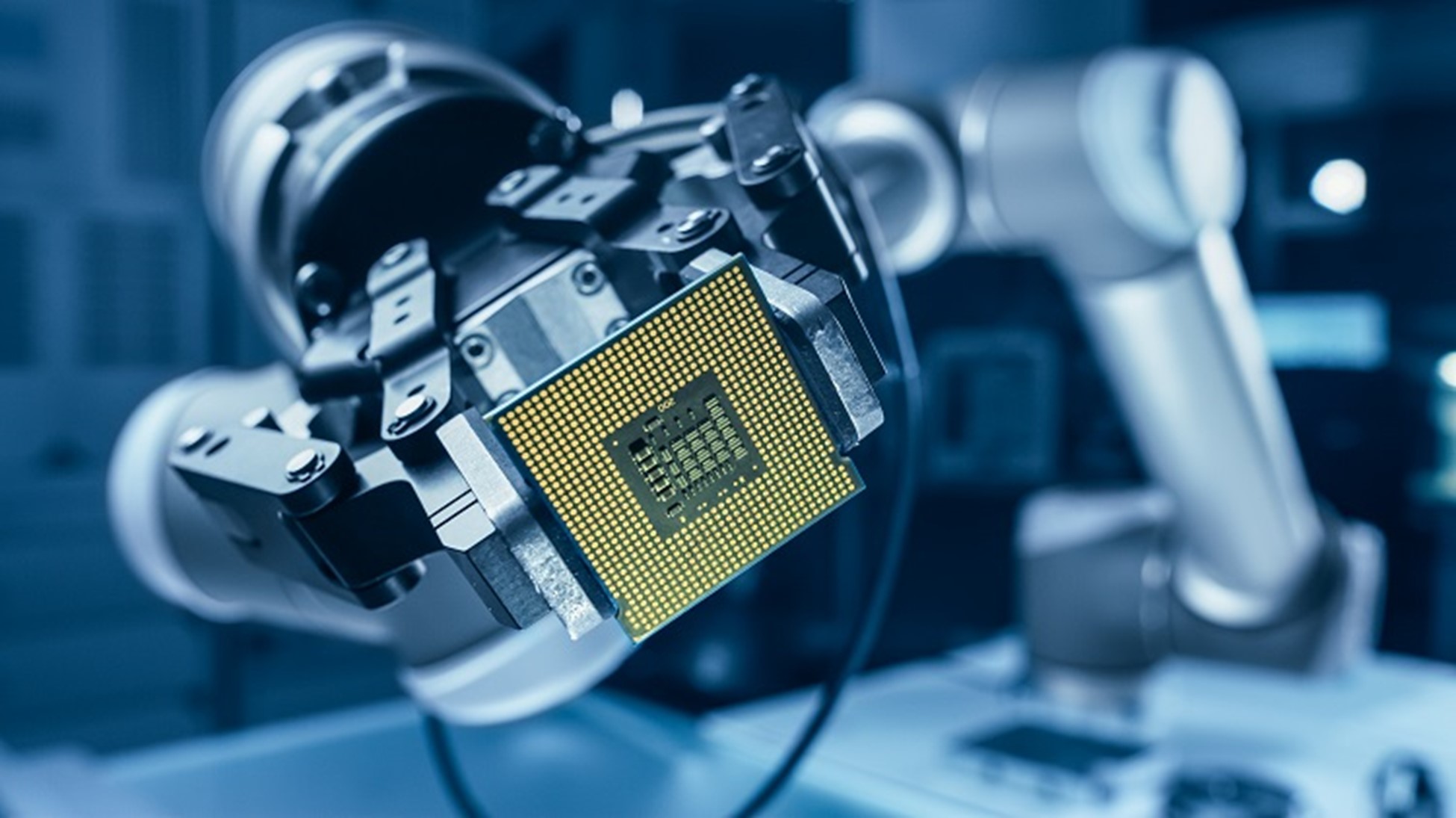
The concept of a digital twin is no longer unfamiliar. In fact, companies have been creating “twins,” “models,” and “prototypes” for integrated circuits (ICs) since the advent of semiconductor materials. With the accelerating pace of digital transformation, a comprehensive digital twin can help capture and predict the operational characteristics of its real-world counterpart.
A comprehensive digital twin can combine multiphysics simulation, data analytics, and machine learning to demonstrate the impact of design changes and other variables. Using multiple software tools inadvertently increases the complexity of designing new products. Therefore, integrating mechanical design, electrical and electronic systems, software, and multiphysics simulation helps create a fully comprehensive digital twin.
Now is the time for companies with production technology in IC design to leverage the advantages available in this system and ecosystem. This presents opportunities for companies to realize the benefits of a holistic, cross-domain digital twin.
Delivering a Comprehensive Digital Twin
Semiconductor companies and EDA software providers often focus solely on IC systems when discussing digital twins. However, in industries such as automotive, Siemens EDA solutions allow OEMs and suppliers to verify automotive IC designs and validate associated software in virtual driving scenarios before moving silicon and the rest of the system into production.
To facilitate a system-of-systems mindset, many system companies are transitioning to model-based systems engineering (MBSE). In this approach, subsystems from electrical, mechanical, and software domains are functionally modeled and integrated into a comprehensive digital twin at the system architecture level before design implementation.
A comprehensive digital twin enables engineers across multiple domains to begin working from the functional level earlier in the design cycle. Because these trade-offs can impact other domains, early balancing helps minimize costly changes later in the product lifecycle.
Siemens EDA, as part of Siemens Xcelerator, offers a portfolio that breaks down barriers between electronic, mechanical, and software design domains, enabling customers to leverage a closed-loop methodology. For example, model-based systems engineering with digital twins allows customers to design, verify, and test the entire system virtually before production.
With embedded analytics, we enable customers to monitor the condition of ICs and the systems they operate to perform tasks such as predictive maintenance and to develop the next generation of products faster and more effectively.
Towards a Digital Future
We are living in an era of continuous acceleration in digital transformation. For decades, many technology companies have worked tirelessly to bring new and improved electronic innovations to market. This is reshaping every aspect of our lives.
Siemens EDA is a standalone software solution that helps companies accelerate development during digital transformation and create smarter products for the future.
Source: Siemens